
For nearly a decade, I ran my body like a diesel engine: minimal maintenance, maximum output. My mantra was simple—pain is weakness leaving the body; rest is for the unmotivated. I chased progress through sheer aggression, treating every workout as a battle to be won by force.
That mindset worked—until it didn’t.
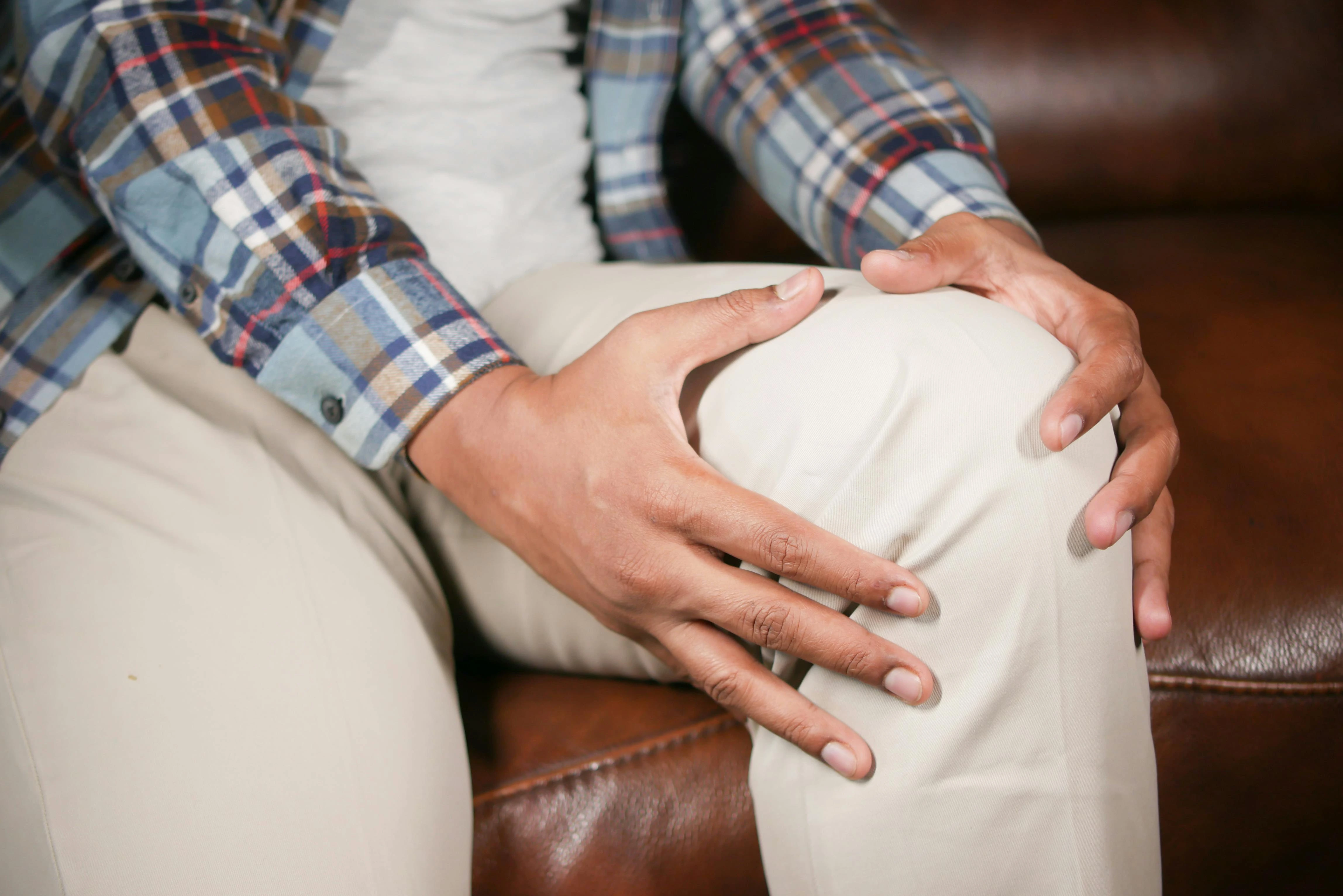
On the morning of October 24, 2023, everything changed. It was leg day. Impatient, I skipped my warm-up, convinced dynamic stretches were just “filler.” I loaded the bar for heavy back squats—the lift that demands perfect alignment—and descended smoothly. But as I drove upward, my right knee buckled inward with a dull, visceral thud, as if a bolt had sheared inside the joint. I barely managed to rerack the weight before collapsing.
Adrenaline numbed the pain at first. But one step later, my leg gave way.
Days afterward, the diagnosis: Grade 2 MCL sprain with meniscal irritation. Two weeks of immobilization. Months of physical therapy.
The physical recovery was expected. The mental unraveling wasn’t. Without daily endorphins, my focus frayed. I felt useless, weak, disconnected. But as inflammation faded, so did my old philosophy. My body wasn’t a machine to dominate—it was a living system that thrived on care, not conquest.
Rehab began with absurdly simple movements: ankle pumps, straight-leg raises, resistance bands lighter than grocery bags. At first, I resented their triviality. Then I realized—they weren’t trivial. They were reconnection. I was retraining dormant neural pathways, rebuilding trust between intention and action.
In hindsight, the injury wasn’t random. It was the consequence of ignoring months of silent warnings: stiff ankles, locked hips, a lower back that ached after sitting. I’d dismissed them as “normal.” They weren’t. They were red flags I chose not to see.
By January 2024, I returned to the gym—but as a different athlete. Humble. Attentive. And guided by four new principles:
1. Warm-ups are movement diagnostics.
No more token jumping jacks. Now, I spend 15–20 minutes rolling fascia, mobilizing joints, and scanning for asymmetry. If my left hip feels tighter than the right, I adjust the plan. Discomfort from effort? Welcome. Pain from dysfunction? Never again.
2. Progress at the pace of your slowest tissue.
Muscles adapt in days. Tendons and ligaments? Weeks. I abandoned linear loading for undulating periodization, scheduling deliberate deload weeks to let connective tissue catch up. True strength isn’t just lifting heavy—it’s lifting sustainably.
3. Pre-hab is part of the workout—not an add-on.
Twice a week, I train only mobility and stability: rotator cuff activation, single-leg balance drills, glute medius engagement. These “small” muscles build a resilient scaffold around my joints—so when I lift heavy, my structure holds.
4. Train in silence, not noise.
I stopped blasting music to drown out fatigue. Now, I listen—to my breath, my foot pressure, the subtle shift in my pelvis. If form degrades, the set ends. Ego has no place here. Quality always trumps reps.
Today, I’m functionally stronger than before the injury. My gait is smoother. My knees feel stable. The chronic low-grade inflammation? Gone.
That Tuesday morning didn’t end my training—it refined it. I now understand: athletic longevity isn’t about one heroic lift. It’s about showing up, consistently, for decades.
Avoiding injury isn’t caution—it’s intelligence.
We don’t train to break ourselves down.
We train to build something that lasts a lifetime.
Not medical advice. Always consult your doctor. Read full disclaimer.
Next Post →
Beyond Resilience: The 4-Tier Framework
Beyond Resilience: The 4-Tier Framework